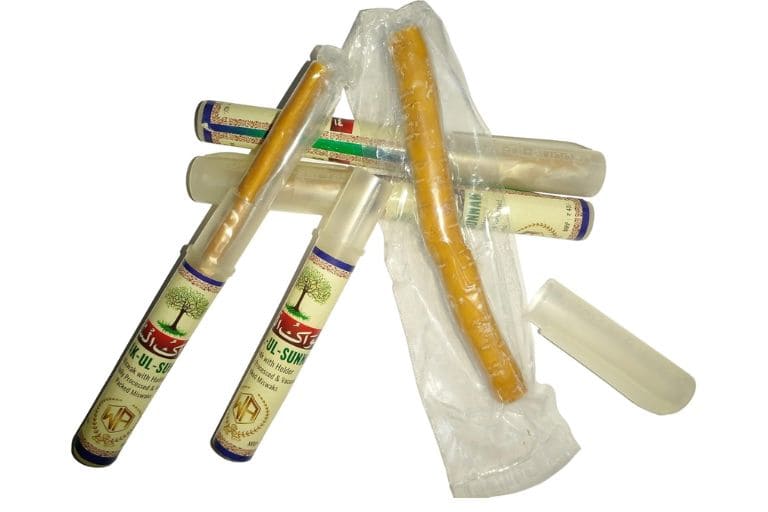
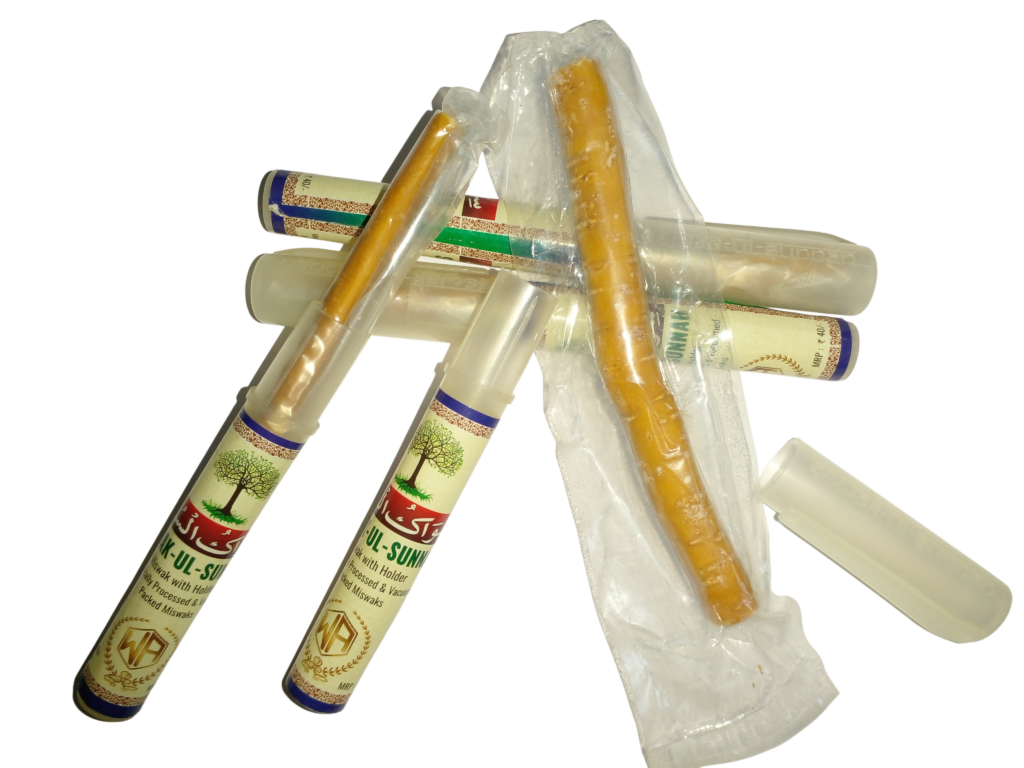

Miswak, also known as Siwak, is a traditional tool for oral hygiene made from the roots, twigs or branches of the Salvadora persica tree. It has been used for centuries in various cultures around the world, including the Middle East, Africa, and South Asia.
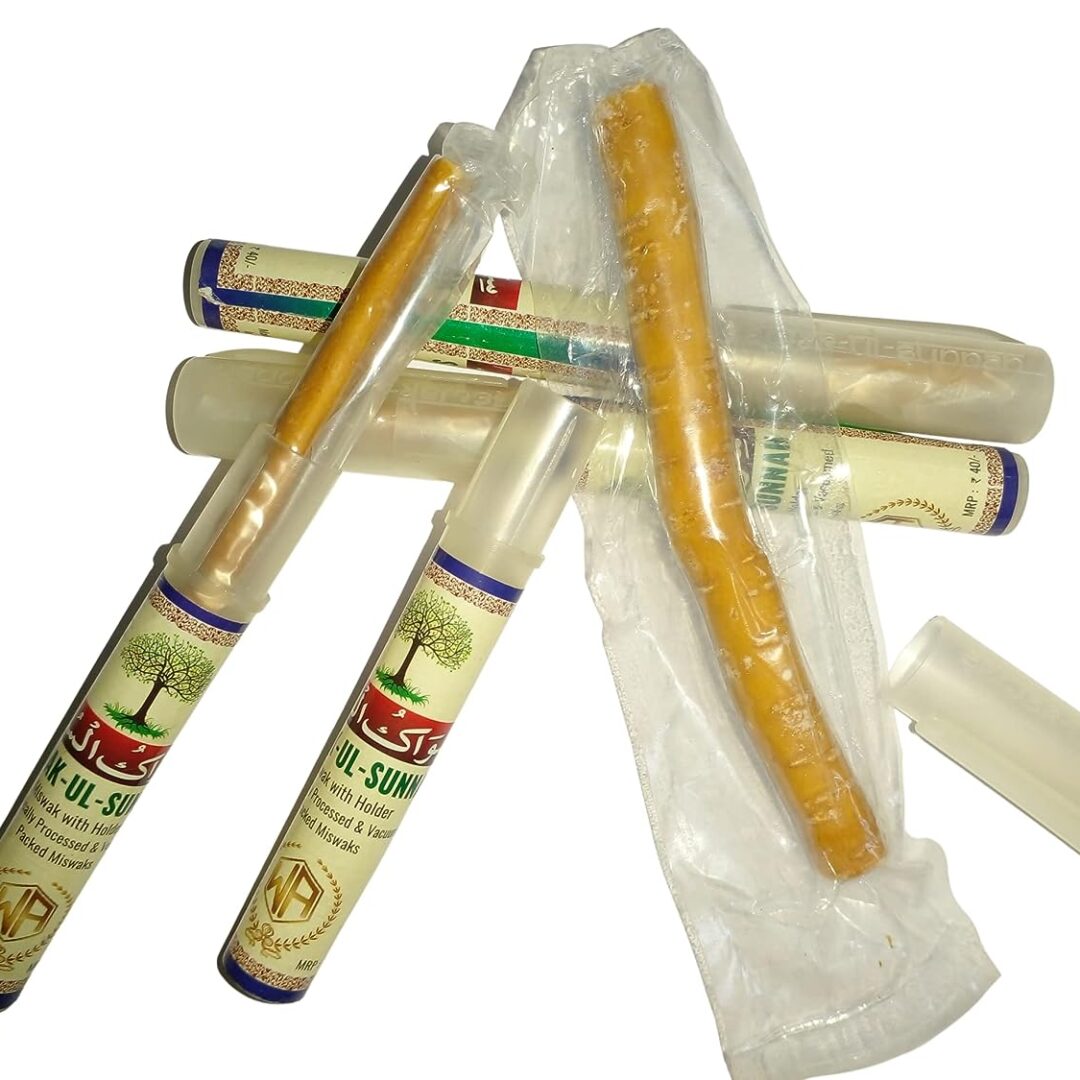
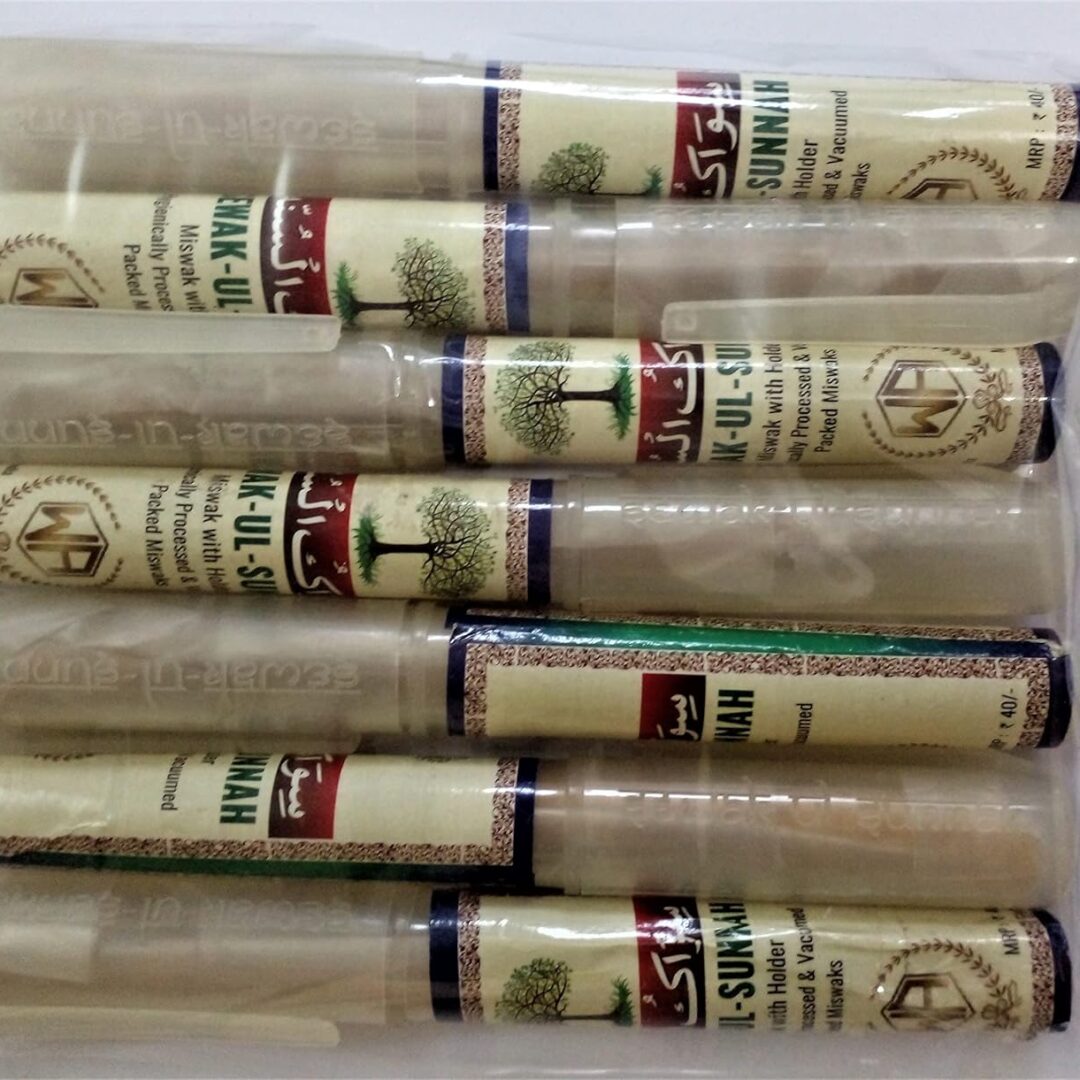
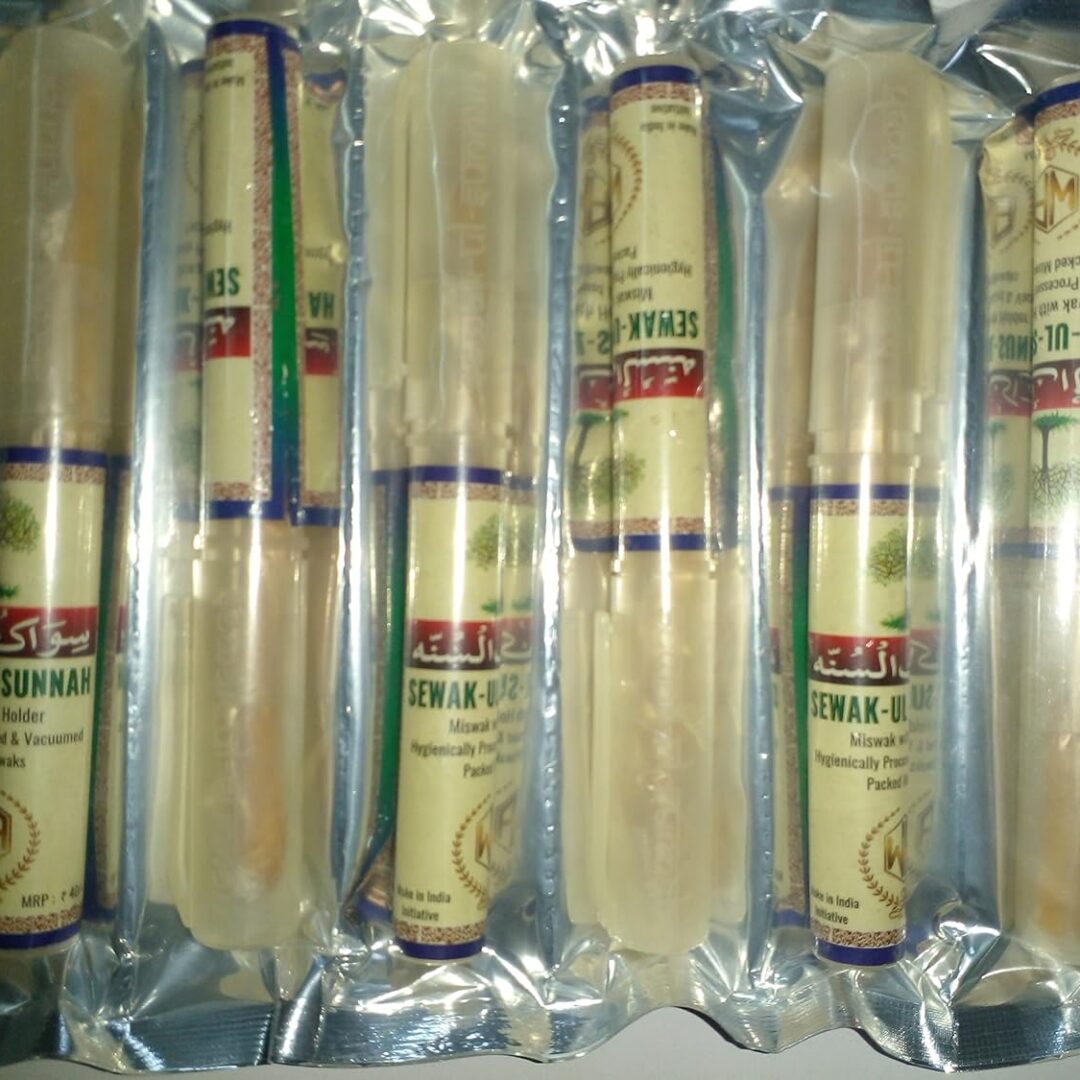
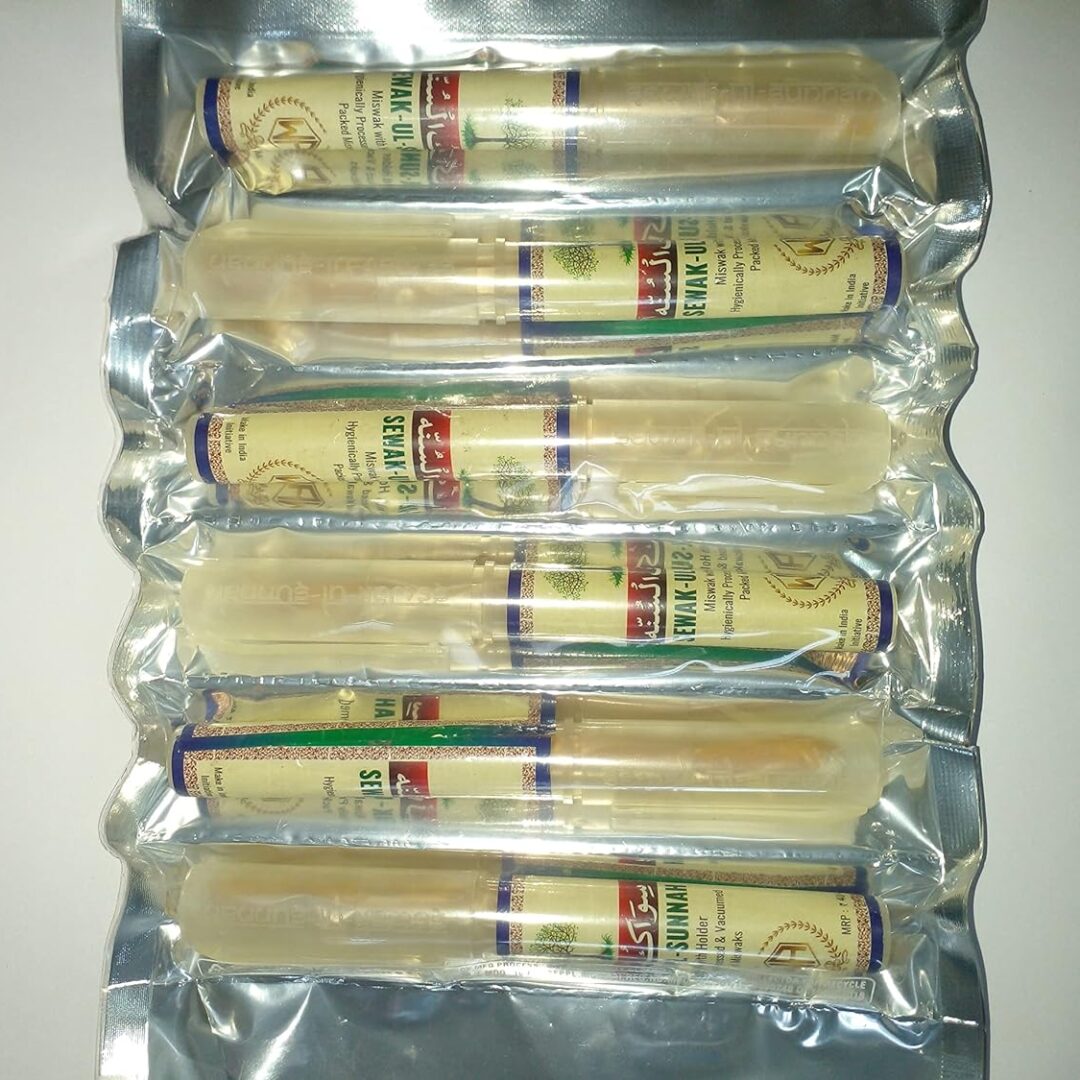
The Miswak is a natural alternative to the modern toothbrush, containing natural antimicrobial and anti-inflammatory properties that can help prevent tooth decay, gum disease, and bad breath. It also contains compounds that can help whiten teeth, such as fluoride and silica.
Using the Miswak is simple: one end of the stick is chewed until it forms bristles, and then it is used to brush the teeth and gums in a circular motion. It can be used with or without toothpaste, depending on personal preference.
Aside from its oral hygiene benefits, the Miswak also has religious and cultural significance. It is mentioned in Islamic literature as a recommended practice for cleanliness and hygiene, and is often used by Muslims as a way to purify the mouth before prayer.
Overall, the Miswak is a simple and effective tool for maintaining oral hygiene, with additional cultural and religious significance in certain communities.